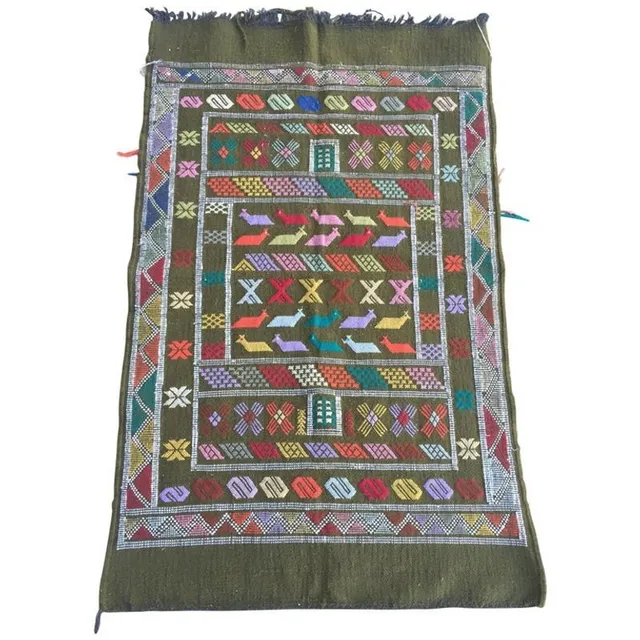
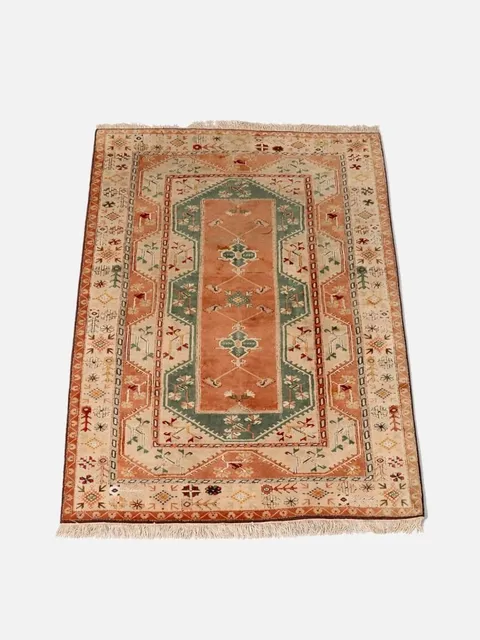
 Vintage Turkish Anatolian Hand-Knotted Wool Rug w/ Tribal Geometric Motifs, c.1960’s
1 / 9
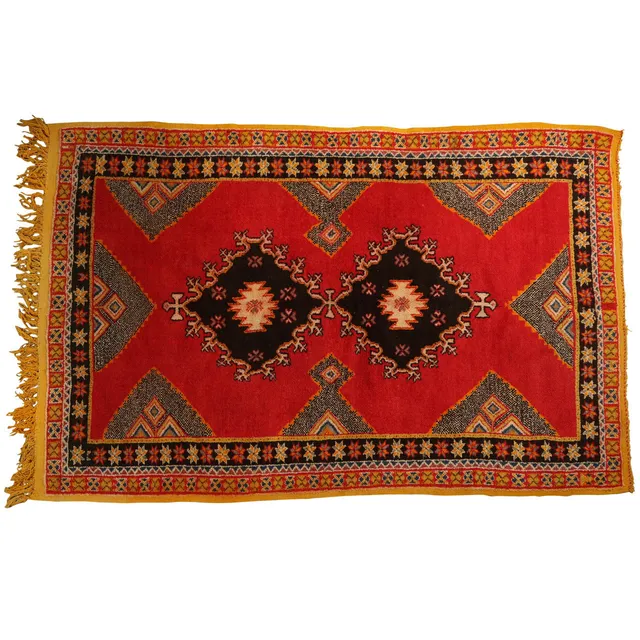
Vintage Anatolian Handwoven Kilim Rug in Red & Indigo Geometric Wool, c.1960’s
$595
- Period
c.1960’s
- Dimensions
Height 0.25 in × Width 137 in × Depth 87 in
- Materials
Handwoven Wool Period Style: Tribal Modern Date of Manufacturer: c.1960’s
- Condition
1960’s Condition: Original Vintage Condition, Shows A Small Tear Number of Items: 1 ID Number: Pro 084 Dimensions: 0.
Presented in original vintage condition with minor wear and a small tear consistent with age, it remains sturdy, soulful, and ready for everyday living.
- Items in listing
1 ID Number: Pro 084
Dealer notes
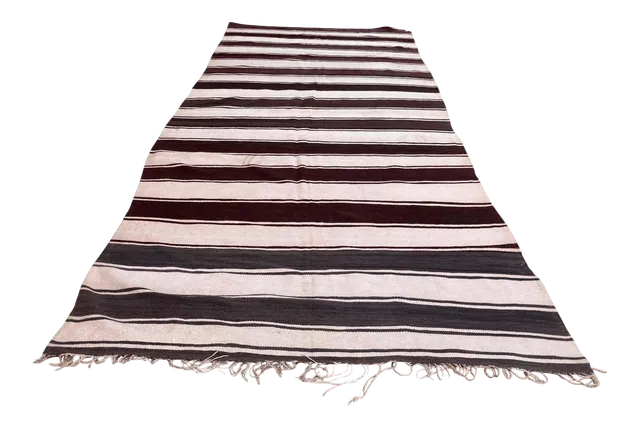
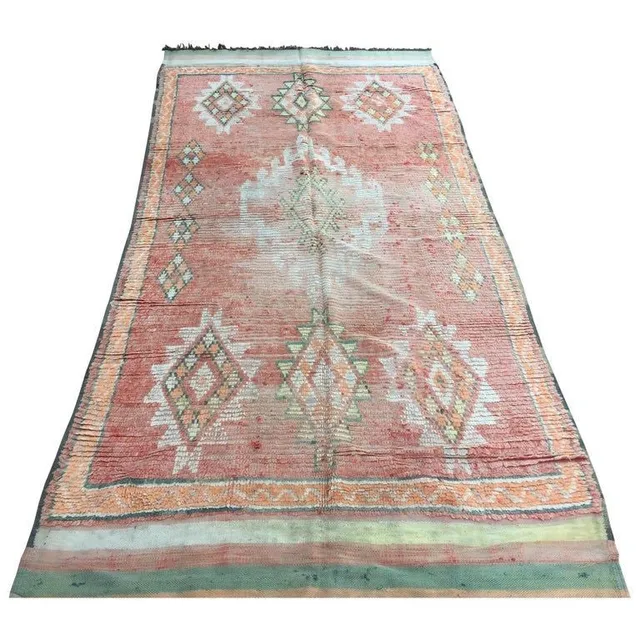
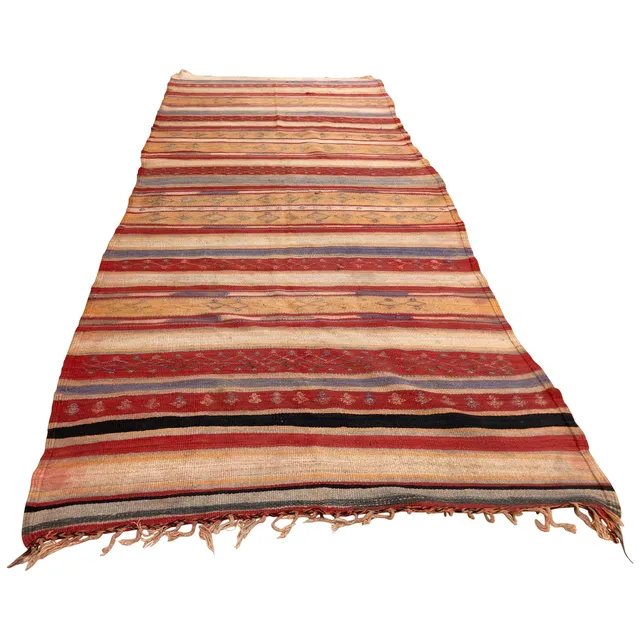
Designer: Unknown Manufacturer: Unknown Country: Turkey Materials: Handwoven Wool Period Style: Tribal Modern Date of Manufacturer: c.1960’s Condition: Original Vintage Condition, Shows A Small Tear Number of Items: 1 ID Number: Pro 084 Dimensions: 0.25”H x 137”W x 87”D Description: This vintage Anatolian kilim rug showcases a striking composition of red, indigo, charcoal, and cream tones woven into bold geometric diamonds that bring warmth and rhythm to any space. Handwoven from wool using traditional flatweave techniques, its low profile makes it both durable and versatile, perfect for layering beneath furniture or anchoring a room with texture and color. The graphic tribal motifs feel both timeless and modern, pairing beautifully with walnut, teak, and leather pieces for that relaxed California, collected-over-time look. Natural variations in the weave and subtle signs of age give the rug an authentic character that only decades of use can create. Presented in original vintage condition with minor wear and a small tear consistent with age, it remains sturdy, soulful, and ready for everyday living. Fun Historical Fact Kilim rugs have been woven across Anatolia (modern-day Turkey) for centuries, traditionally crafted by village artisans using techniques passed down through generations. Unlike pile rugs, kilims are flatwoven on simple looms, making them lighter, reversible, and ideal for everyday household use. The bold geometric motifs often carried symbolic meanings tied to protection, family, and nature, with each region developing its own distinctive patterns and color palettes. By the mid-20th century, these textiles began appearing in modern Western interiors, where designers loved how their graphic forms complemented mid-century furniture and clean architectural spaces.
Listing information
Last checked
Added
Details are supplied by the dealer. Confirm availability and shipping before purchasing.
Loading history…